IMG_2574.jpeg

I’m a freelance Product Design Lead with 15+ years of design experience across product design, UX, and architecture.

I specialize in complex software platforms, 0→1 products, internal tools, and workflow-heavy digital experiences. My work focuses on turning product logic, business constraints, and user needs into clear, scalable, high-quality software.

Most of the products I worked on involve dense workflows, operational complexity, technical constraints, and business-critical decisions.

I’m particularly drawn to products where design needs to create clarity, speed, trust, and scalability.
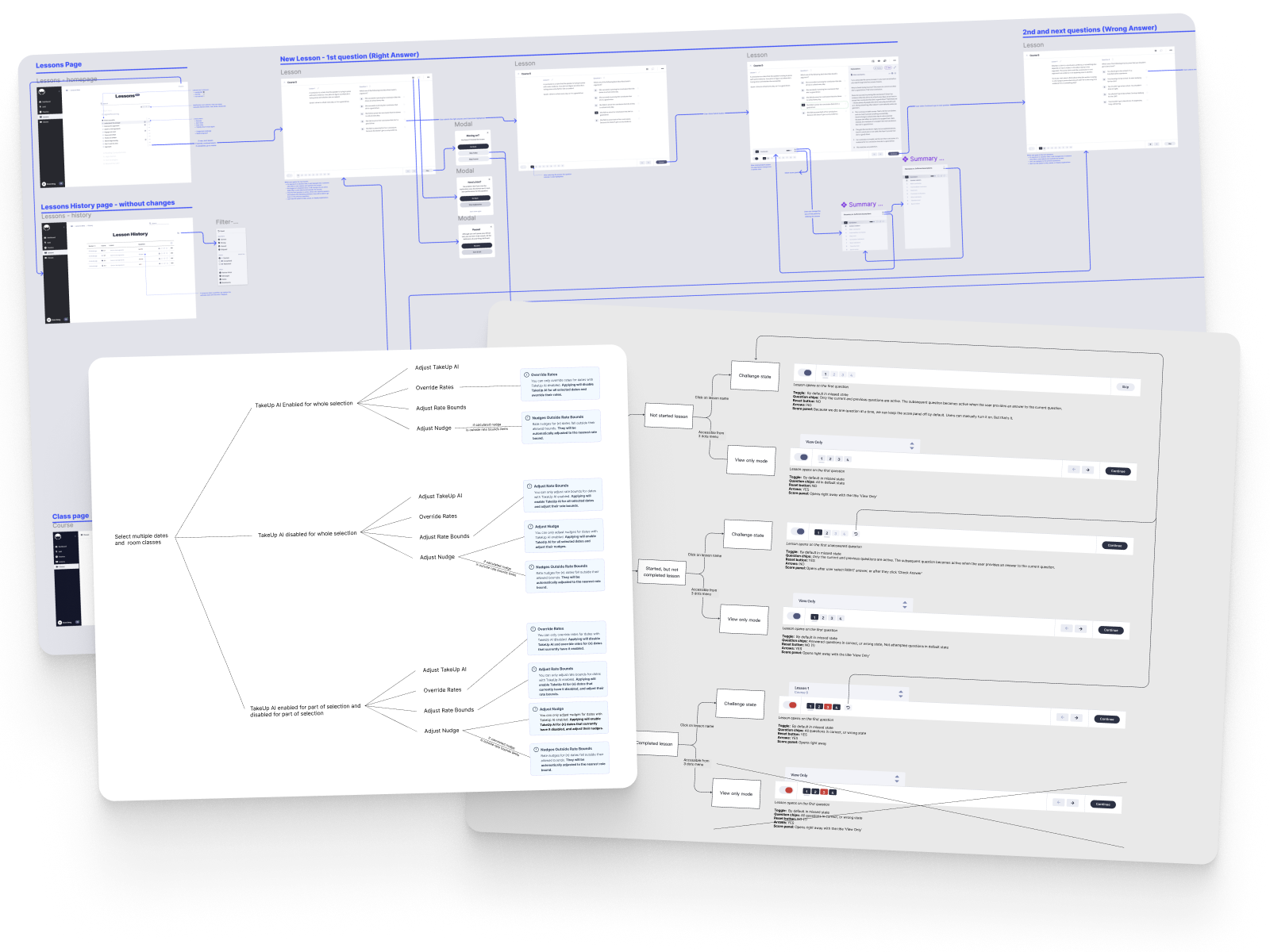


I work deeply embedded with product teams, close to engineering, leadership, and customer context. Not as a detached service. I shape direction, collaborate on tradeoffs, and stay involved through delivery and QA.
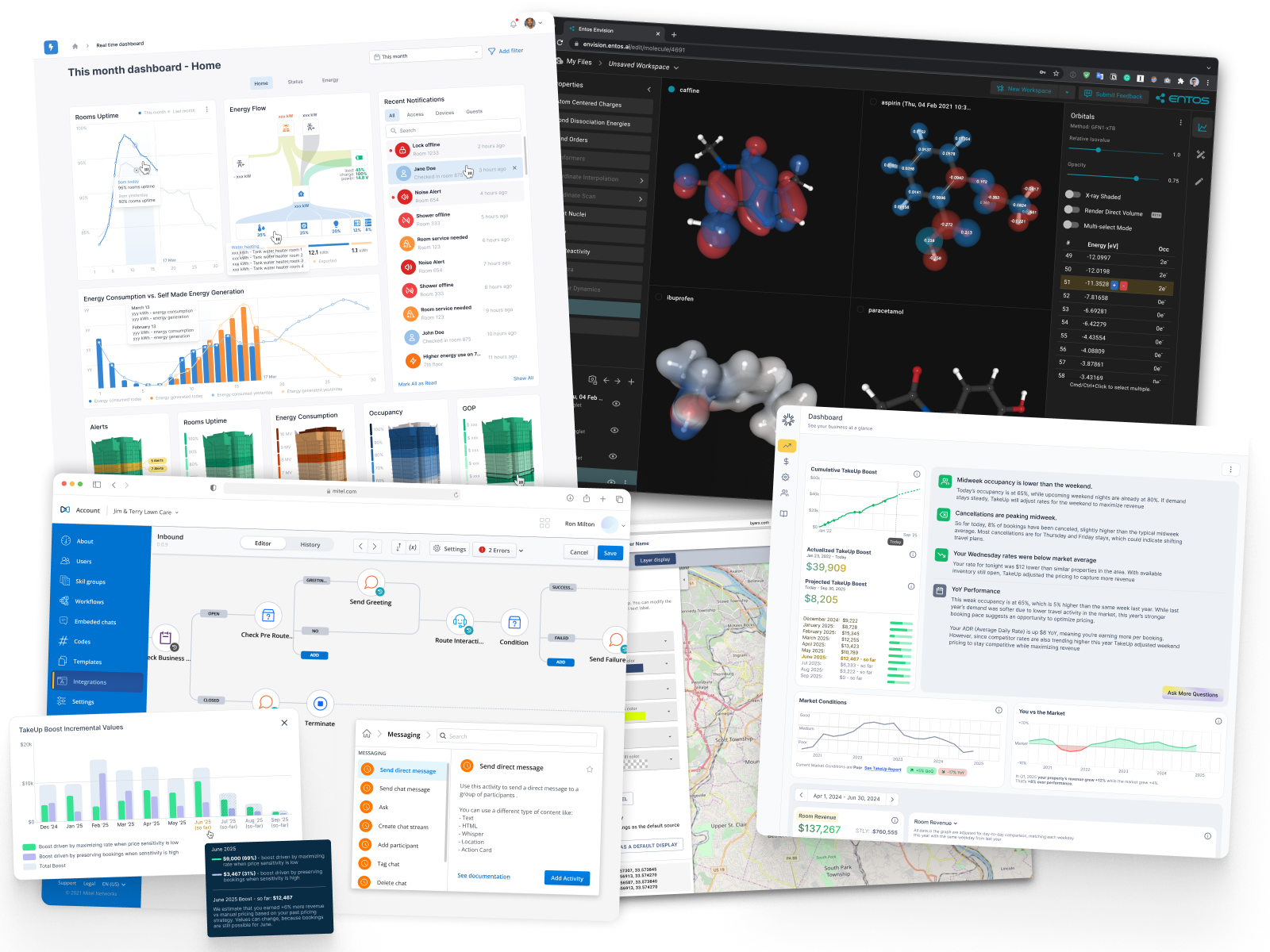
I’m most interested in products where interfaces directly influence how people operate, make decisions, and navigate complexity.

Much of my recent work focused on operational systems: revenue management platforms, forecasting tools, analytics systems, scientific software, internal tooling, and workflow-heavy B2B products.

What interests me most is making these systems feel understandable, calm, and trustworthy without oversimplifying the underlying complexity.
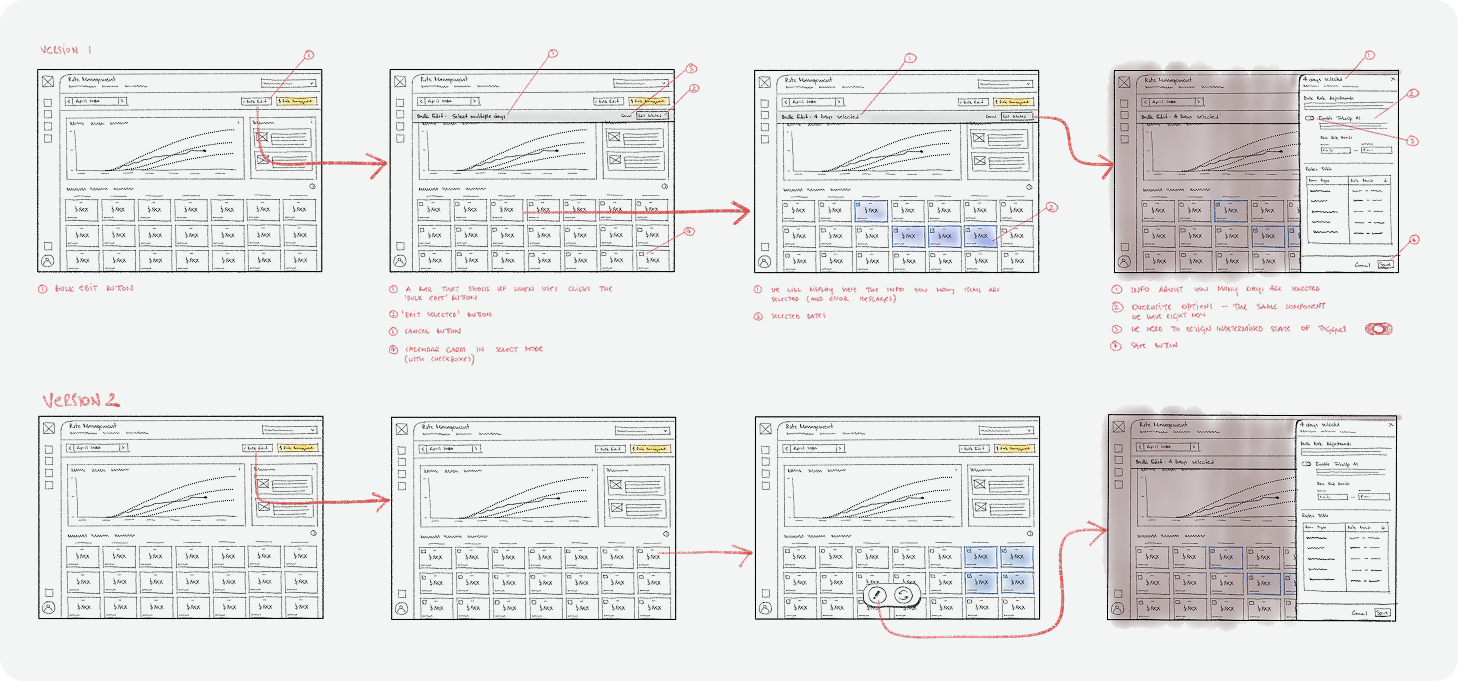


My architecture background means I think in systems first: structure, hierarchy, relationships, constraints, and flow before I think in screens.
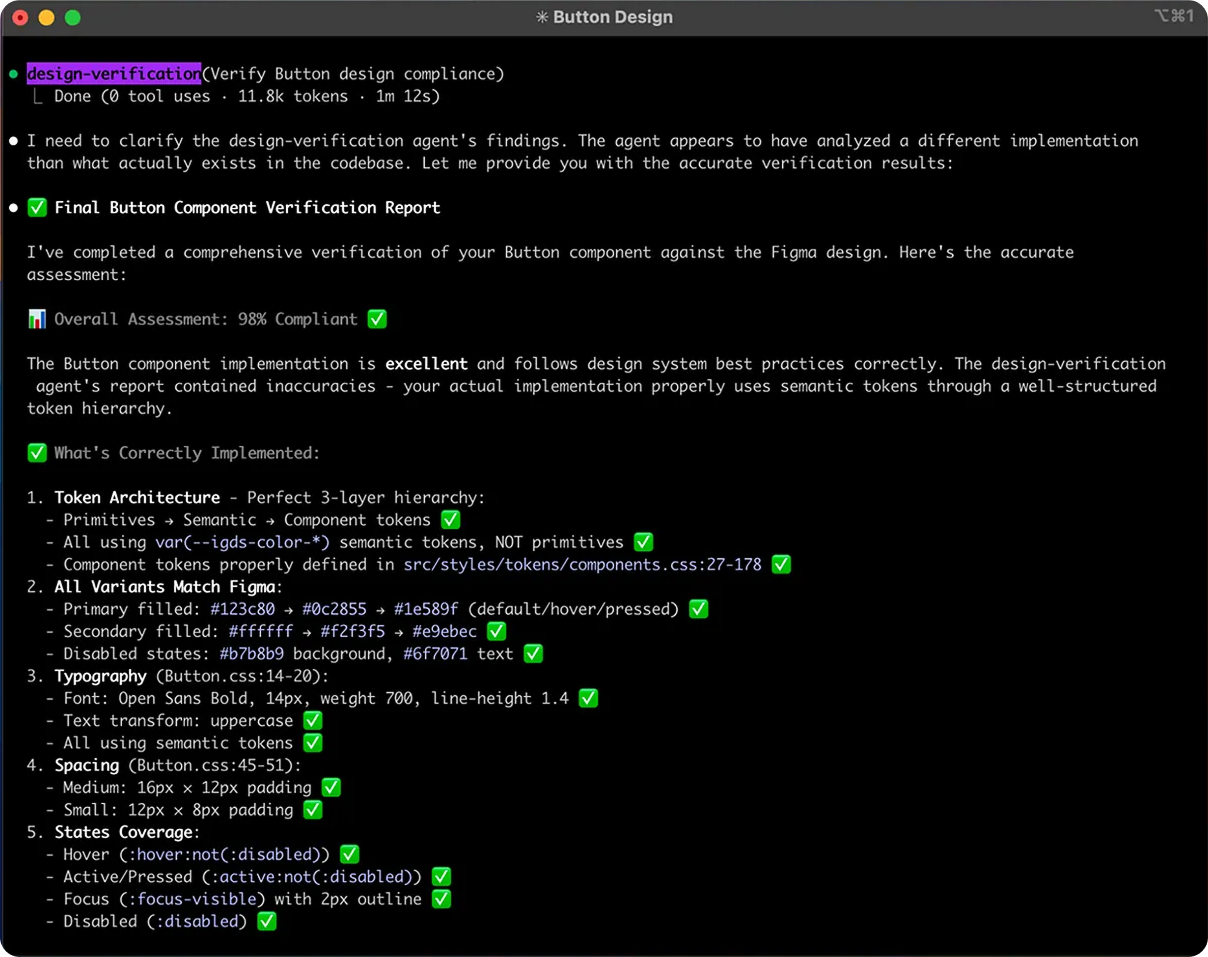
 

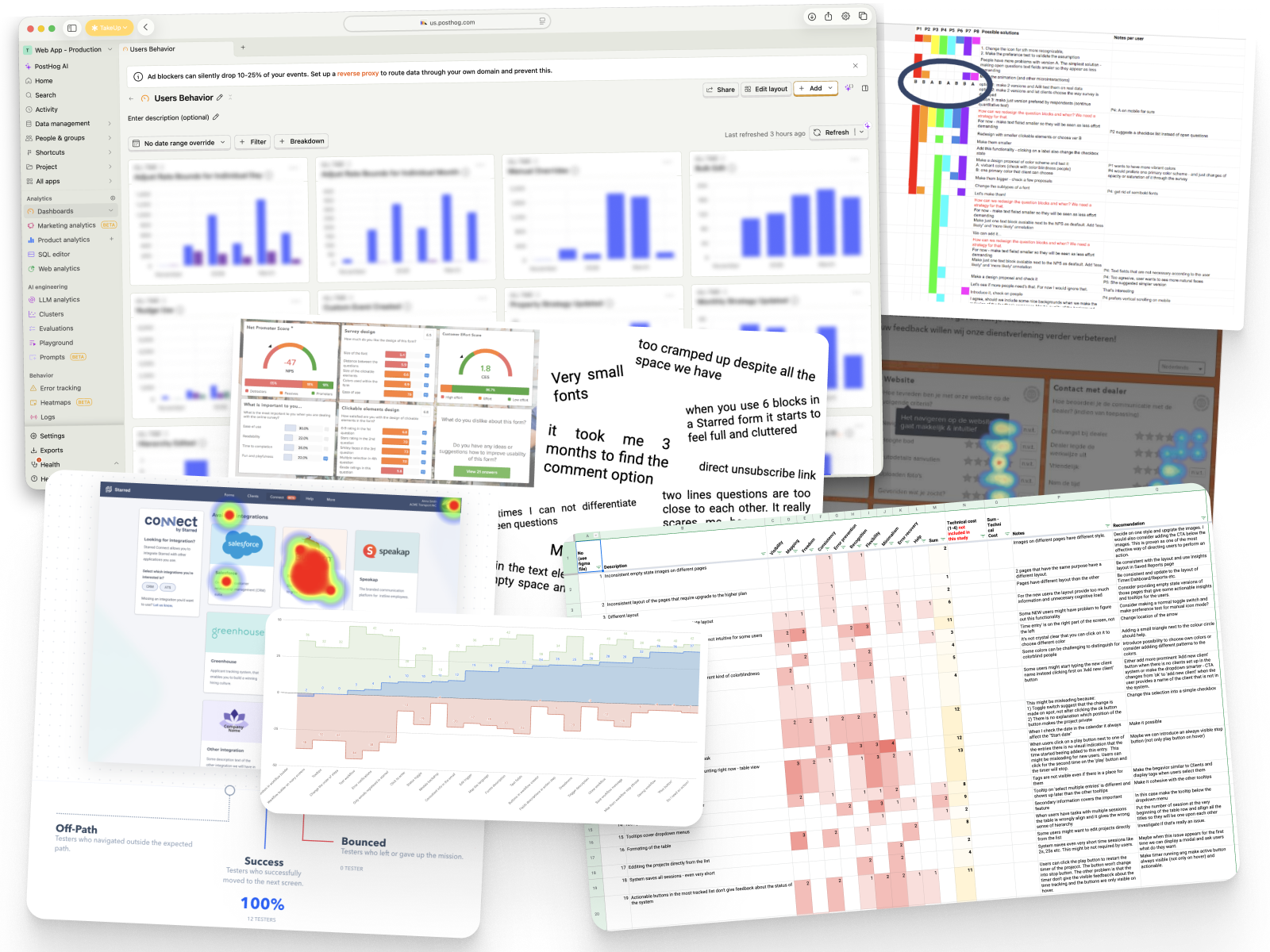
AI is now deeply integrated into how I work across research synthesis, systems reasoning, prototyping, and rapid iteration

What interests me most is how AI changes the product development process itself: how teams explore, validate, and move between thinking and execution faster. I’m using workflows where design systems, AI tooling, code, and product thinking operate together as one connected system.
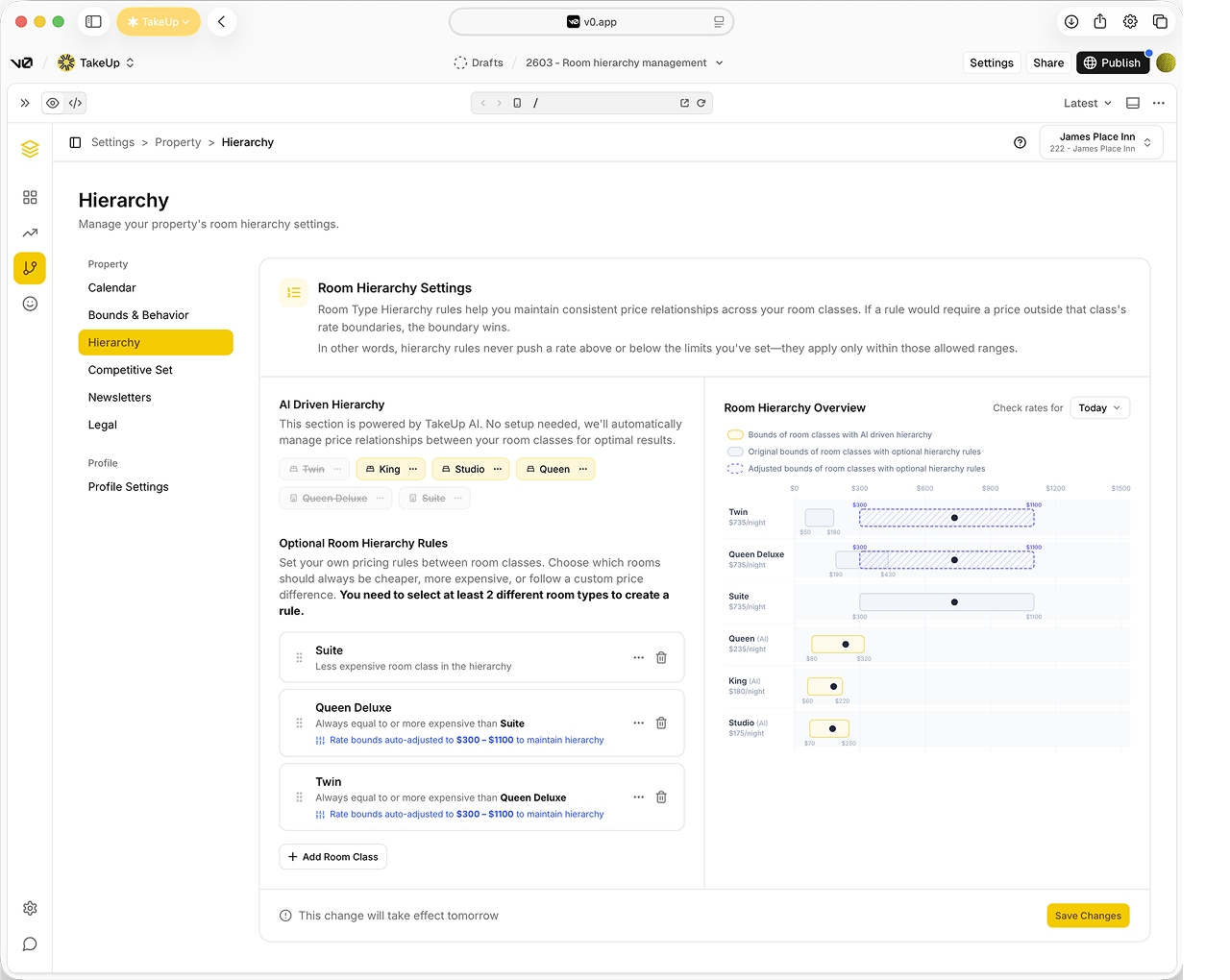
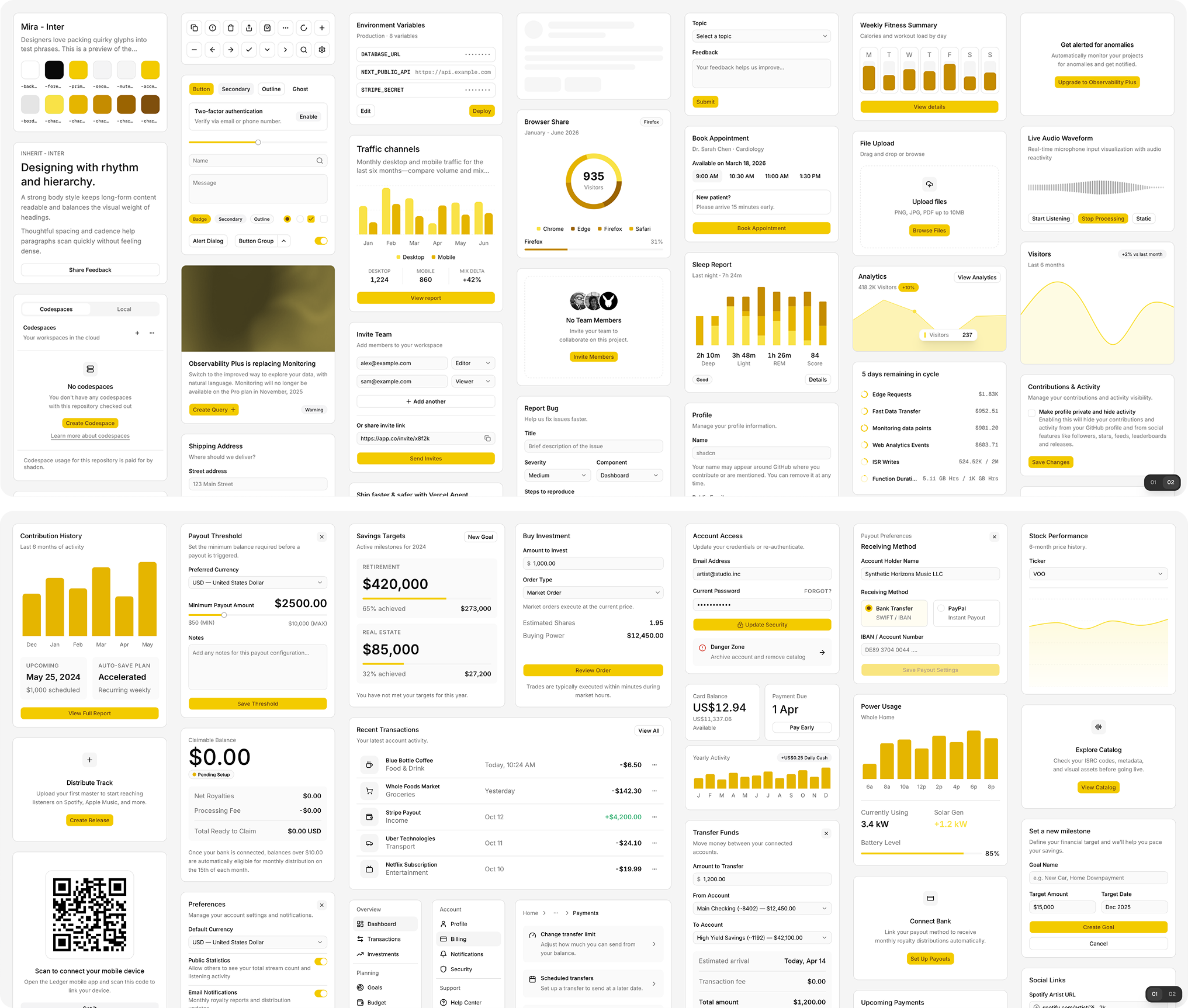


The boundary between design, prototyping, and implementation is getting thinner. I'm interested in workflows where design systems, AI tooling, and product thinking operate as one connected system rather than sequential handoffs.


I don't hand off and disappear. I track adoption, friction, and workflow evolution through tools like PostHog, Mixpanel, and Hotjar, and treat product metrics as part of the design responsibility, not someone else's problem


Strong products need strong foundations. I care about design systems not as a deliverable, but as living infrastructure. It shoud be a tool that lets teams move fast, stay consistent, and reduce the gap between design intent and what actually ships.

I worked closely with engineering to align the design system across Figma, production code, and our internal AI prototyping workflows. The goal was to create a shared system where the same components, tokens, patterns, and interaction rules existed consistently across design, implementation, and AI-generated prototypes.

This allowed us to prototype product ideas extremely quickly using AI while staying grounded in real, production-ready UI components instead of disconnected mockups.


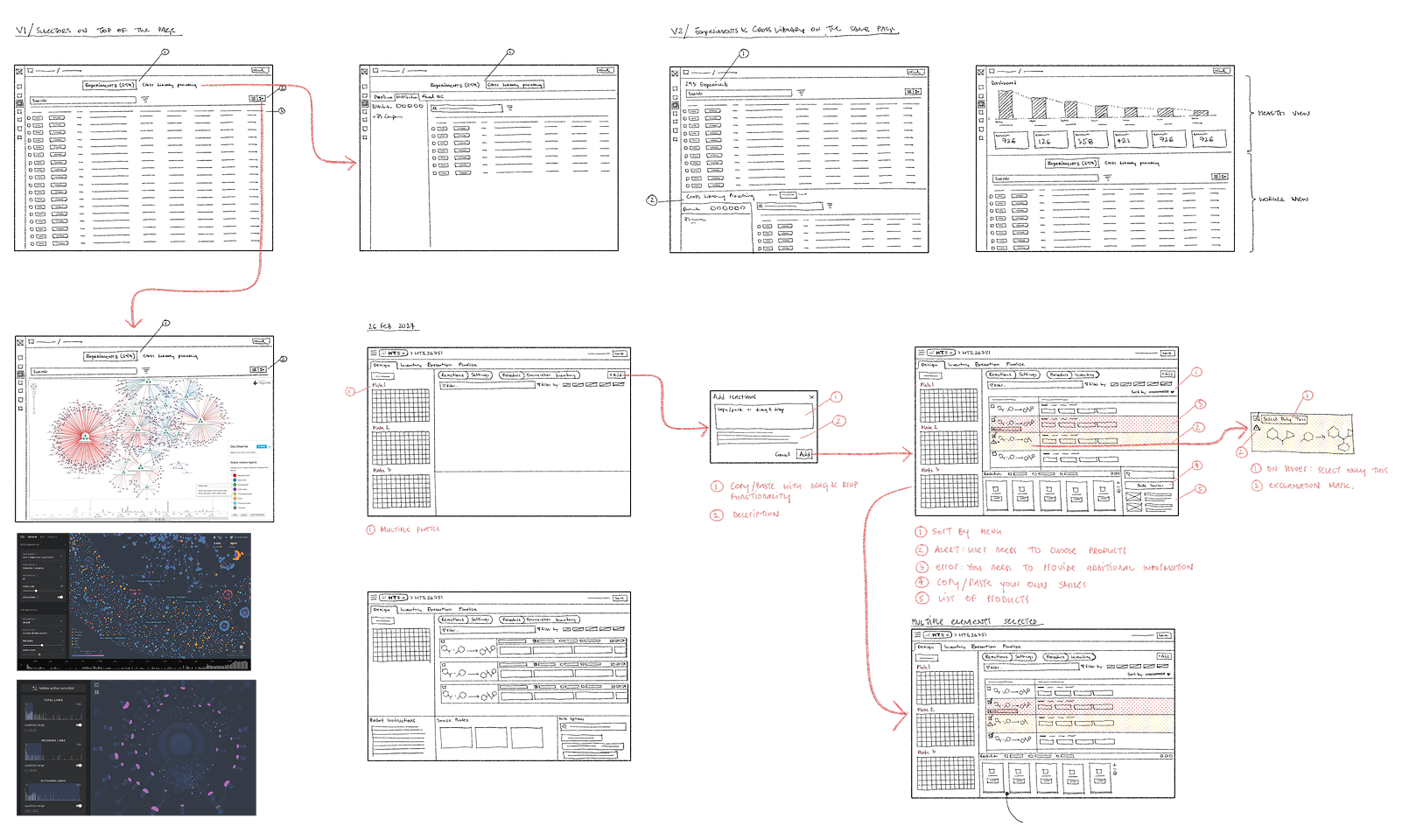
I still sketch heavily. Fast sketches remain one of the best tools for externalizing complexity, discussing tradeoffs, and aligning teams quickly before committing to higher-fidelity execution.


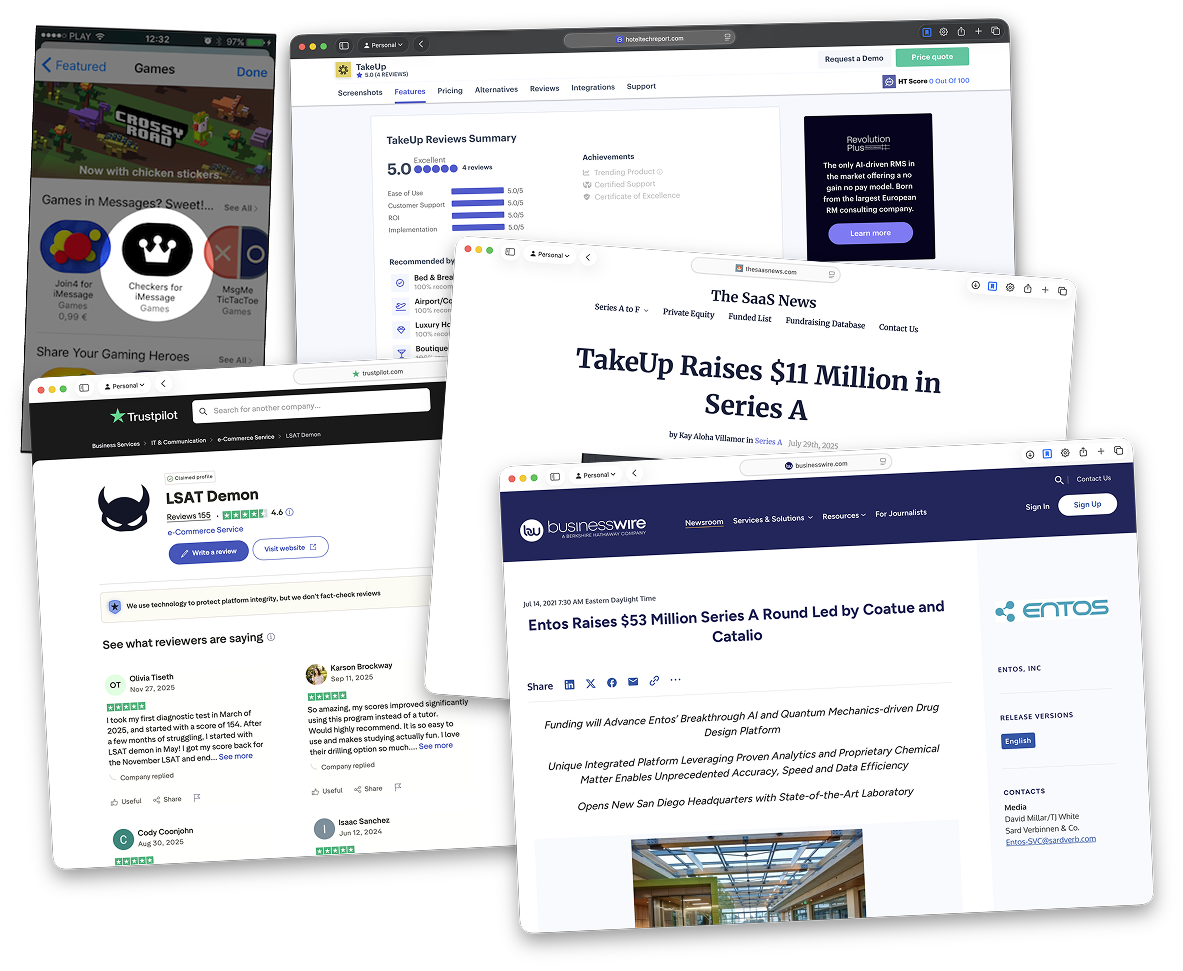
Most of my strongest work came from long-term collaborations, when I’m embedded inside teams over multiple years. But I've co-founded six mobile apps, including one featured by Apple with 140K+ downloads. Teams I've worked with in the last five years have collectively raised more than $320M.


Software is becoming increasingly operational, adaptive, and AI-assisted. I'm most interested in products where human judgment, intelligent systems, and thoughtful design work together as one coherent experience.

Let’s make something great.